
Categories
Historic Homes, LynchburgPublished November 17, 2026
Buying a Historic Home in Lynchburg, VA: Districts, Inspections, and Tax Credits

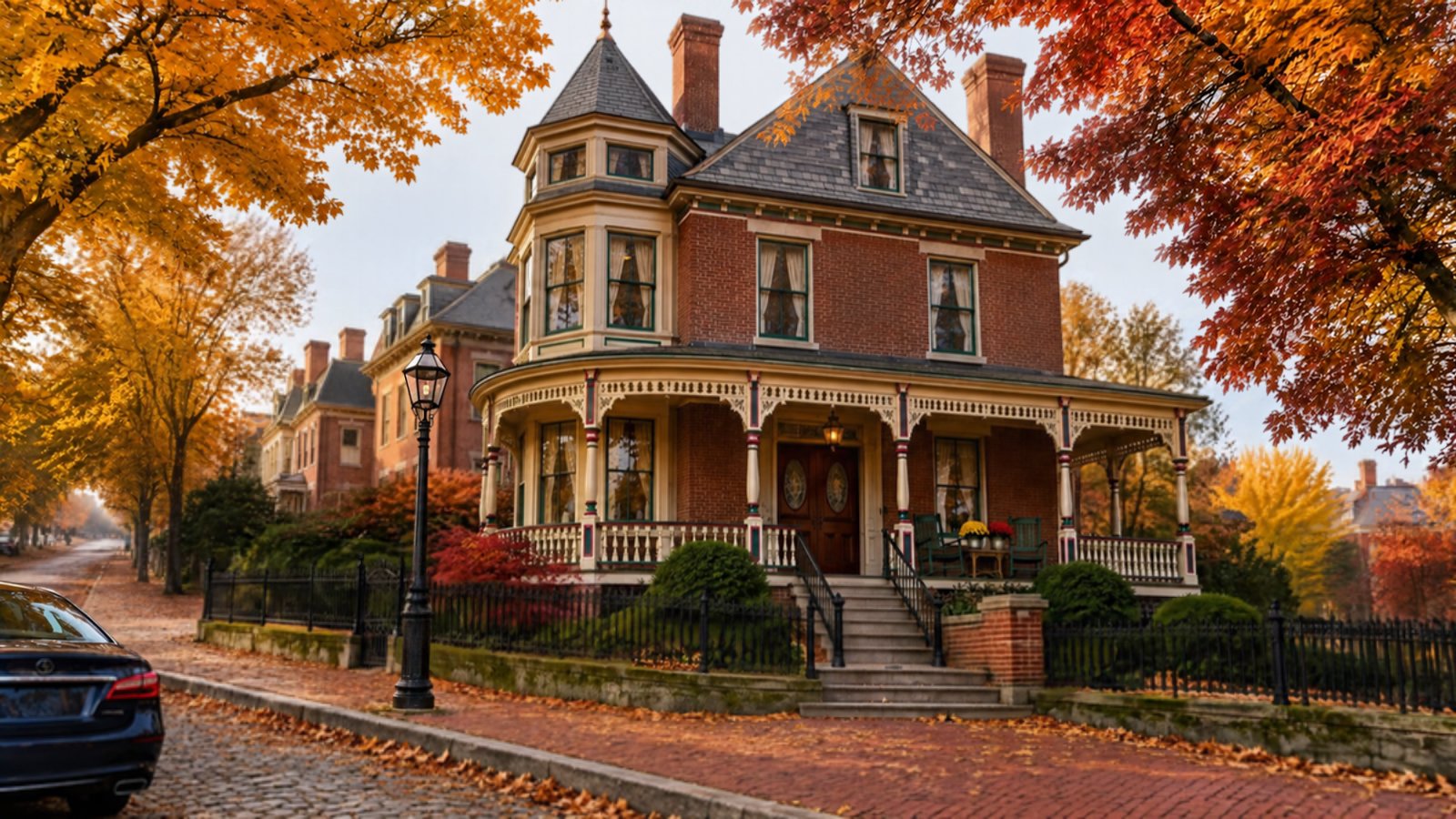
Quick answer: Buying a historic home in Lynchburg, Virginia, comes down to three things: knowing whether the house is in a historic district and what rules apply, doing more inspections than you would for a newer home, and understanding the financial tools available, including Virginia's 25% historic rehabilitation tax credit for qualifying owner-occupied homes. Plan for all three before you make an offer.
Lynchburg has one of the richest collections of 19th- and early 20th-century architecture in Virginia. I have lived in Diamond Hill, I serve on the Board of the Lynchburg Historical Foundation, and I've helped buyers and sellers with older homes since 2010. Here is what I tell every buyer who falls in love with an old house in the Hill City.
Lynchburg's Historic Districts
The Lynchburg Historical Foundation's historic district guide lists seven historic districts:
- Court House Hill, the area around downtown and the old courthouse
- Daniel's Hill, one of the city's earliest residential hills, above the James River
- Diamond Hill, known for large Victorian and Colonial Revival homes
- Federal Hill, with many early 19th-century homes
- Garland Hill, with grand late-1800s homes near downtown
- Pierce Street, home of the Anne Spencer House and Garden Museum
- Rivermont Avenue, the city's early streetcar corridor, lined with homes from the late 1800s and early 1900s
Plenty of historic and older homes also sit outside these districts in neighborhoods across the city.
National Register vs. Local Historic District: Why It Matters
Buyers often mix these up, and the difference affects what you can do with the house.
- National Register of Historic Places and Virginia Landmarks Register listing is mostly honorary for private homeowners. It does not by itself restrict what you can do with your own money. It can make a property eligible for historic tax credits.
- Local historic district designation is set by the city. In Lynchburg's locally designated districts, exterior changes visible from the street, such as new windows, siding, porches, roofing materials, additions, fences, or demolition, generally need approval (a Certificate of Appropriateness) through the city before work begins.
Before you buy, ask the City of Lynchburg's planning staff whether the property is in a local historic district and what the design guidelines require. If you plan to replace windows, add a garage, or change the exterior, find out up front whether it is likely to be approved.
Inspections for a Historic Home: What to Add
Virginia is a "buyer beware" state. Sellers are required to disclose very little about a home's condition, so your due diligence period matters even more with an older house. Beyond a general home inspection, consider:
- Electrical evaluation. Look for knob-and-tube wiring, ungrounded circuits, and older panels. Some insurance companies will not cover homes with active knob-and-tube wiring.
- Sewer scope. A camera inspection of the main sewer line can find old clay or cast iron pipes, root intrusion, and collapses that are expensive to fix.
- Plumbing. Galvanized steel and old cast iron supply and drain lines often need replacing.
- Roof and chimneys. Slate, standing-seam metal, and tile roofs can last a very long time when maintained, but repairs need a specialist. Have chimneys and flues inspected by a certified chimney sweep.
- Masonry and foundation. Old brick needs soft, lime-based mortar. Repointing with modern Portland cement mortar can damage historic brick. Look for cracks, moisture, and poor drainage.
- Lead-based paint. For homes built before 1978, federal law requires sellers to disclose known lead-based paint and gives buyers the opportunity to conduct a lead inspection or risk assessment, usually within 10 days, unless they waive it.
- Asbestos, radon, and wood-destroying insects. Old pipe insulation, flooring, and siding may contain asbestos. Radon and termite inspections are smart for any Central Virginia home.
Insurance and Financing
- Get insurance quotes early. Replacing plaster walls, original millwork, or a slate roof costs more than standard materials. Ask insurers about replacement-cost coverage and about any wiring, roofing, or heating issues the inspection finds.
- Consider renovation financing. If the home needs work, ask lenders about renovation loan programs, such as FHA 203(k) or conventional renovation loans, that combine the purchase and repairs. Compare several lenders; you are free to choose any lender you like.
- Appraisals can be tricky. Unique historic homes may have few comparable sales. Build some flexibility into your offer strategy.
Virginia's Historic Rehabilitation Tax Credit
This is the benefit many buyers do not know about. According to the Virginia Department of Historic Resources (DHR):
- The state credit is 25% of eligible rehabilitation expenses.
- Owner-occupied homes qualify for the state credit. The federal 20% credit applies only to income-producing properties, such as rentals.
- For an owner-occupied home, eligible expenses must be at least 25% of the building's assessed value for the year before the rehabilitation began.
- The building must be individually listed on the Virginia Landmarks Register, contribute to a listed historic district, or be formally found eligible for listing.
- All work must meet the Secretary of the Interior's Standards for Rehabilitation, and DHR reviews the project in three parts: the historic status, the proposed work, and the completed work.
- Unused state credits can be carried forward for up to 10 years.
Apply before you start work. Work that does not meet the standards can disqualify the whole project. Talk with DHR and a qualified tax professional before you renovate.
Check the Title for Easements and Covenants
Some historic properties carry preservation easements or restrictive covenants that limit changes to the building or land. These pass to each new owner. Ask your settlement attorney or title company to flag any easements, and read them before your due diligence period ends.
Frequently Asked Questions About Buying a Historic Home in Lynchburg
Can I replace the windows on a historic home in Lynchburg?
It depends on whether the home is in a locally designated historic district. If it is, exterior changes like window replacement generally need city approval first, and repairing original windows is often preferred. Outside a local district, National Register listing alone does not restrict a private owner's changes.
Does a historic home qualify for tax credits in Virginia?
It can. Virginia offers a 25% state income tax credit for eligible rehabilitation expenses on certified historic structures, including owner-occupied homes. The property must be on, contribute to, or be eligible for the Virginia Landmarks Register, and the work must meet federal rehabilitation standards and DHR review.
Are historic homes harder to insure?
Sometimes. Older wiring, roofs, and heating systems, plus the cost to replace plaster and original materials, can raise premiums or limit carrier options. Get quotes during your due diligence period, not after closing.
What inspections should I get on an old house in Virginia?
Beyond a general home inspection, consider a sewer scope, an electrical evaluation, chimney inspection, termite and radon testing, and a lead-based paint inspection for homes built before 1978. Virginia sellers disclose very little, so inspections are your main protection.
Which Lynchburg neighborhoods have historic homes?
The Lynchburg Historical Foundation's guide lists Court House Hill, Daniel's Hill, Diamond Hill, Federal Hill, Garland Hill, Pierce Street, and Rivermont Avenue as the city's historic districts. Many older homes are also found elsewhere in the city. My Lynchburg relocation and neighborhood guide covers more areas.
Ready to Find Your Historic Home?
An old house can be one of the most rewarding homes you will ever own, as long as you go in with clear eyes. I'm happy to help you evaluate specific properties, line up the right inspections, and understand the rules before you commit.
Scott Fogleman, Associate Broker, GRI, CRS
New Home Team | eXp Realty LLC
Phone: 434.941.8847 | Email: scott@scottfogleman.com
scottfogleman.com
This article is for general information only and is not legal, tax, or financial advice. Tax credit rules and local historic district requirements can change; confirm details with the Virginia Department of Historic Resources, the City of Lynchburg, and a qualified tax professional. Licensed in the Commonwealth of Virginia. eXp Realty LLC. Equal Housing Opportunity.
Related guides: Lynchburg Area Guide

Scott Fogleman
Broker | GRI | CRS | New Home Team | Scott Fogleman | eXp Realty Virginia
or another way