
Categories
Histroic homes, LynchburgPublished June 2, 2026
The Art of Historic Preservation: A Masterclass from Lynchburg’s Diamond Hill

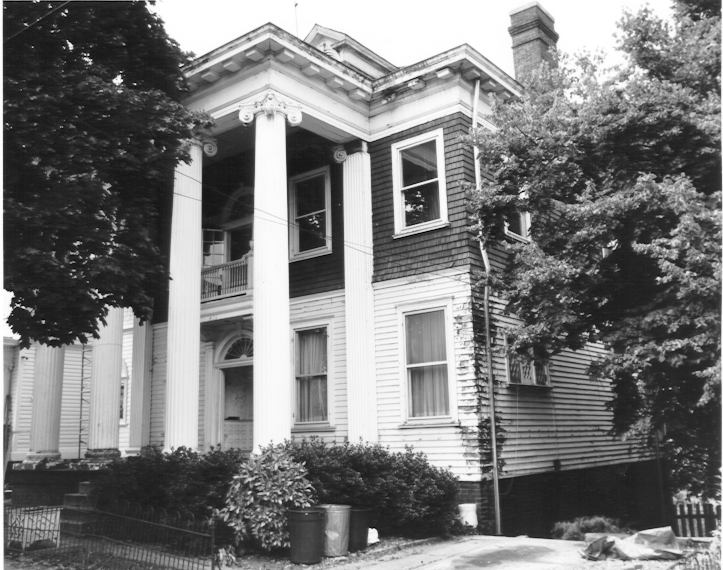
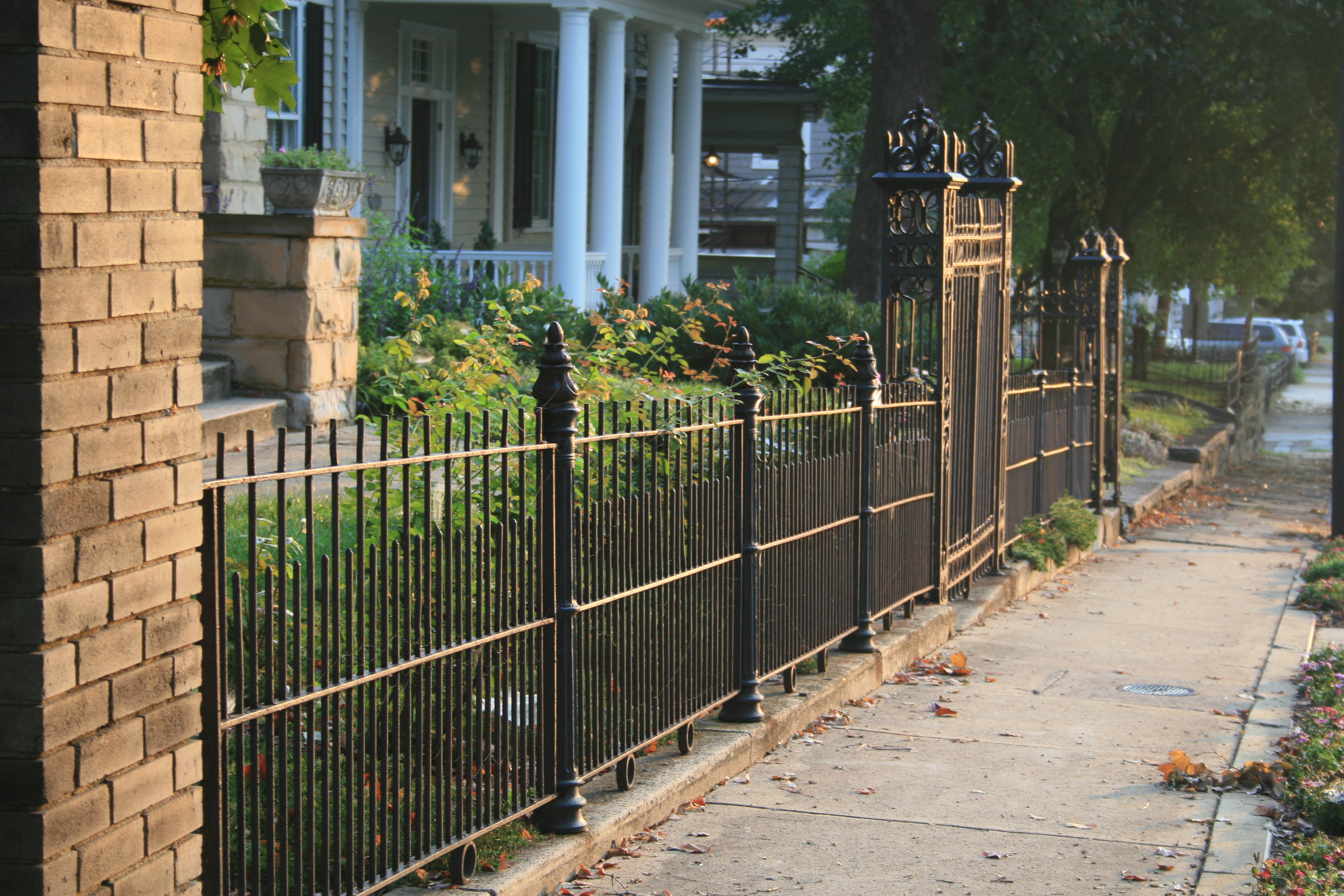 The Art of Historic Preservation: A Masterclass from Lynchburg’s Diamond Hill
There is a distinct magic to walking down a street paved with original nineteenth-century brick, shaded by mature maples, and flanked by towering Queen Anne and Georgian Revival facades. In Central Virginia, few places capture this timeless aura quite like the historic districts of Lynchburg.
But loving an old house from a distance is very different from owning, maintaining, and protecting one. Historic home ownership is less about traditional property management and more about stewardship. Having lived in the heart of the Diamond Hill Historic District for nearly a decade, I’ve experienced firsthand what it takes to breathe new life into these grand structures without erasing the soul that makes them irreplaceable.
Whether you are looking to purchase a classical property on Federal Hill, a sweeping estate along Rivermont Avenue, or a stately Colonial Revival on Washington Street, understanding how to select and preserve a historic home is paramount. Let’s dive into what you need to look for before signing the deed.
1. Navigating Lynchburg's Local Historic Districts
Lynchburg boasts an incredible wealth of architectural history. The city officially recognizes several local historic districts, each with its own distinct personality:
-
Diamond Hill: Known for its striking topographical layout, dramatic city views, and unparalleled collection of late-nineteenth and early-twentieth-century architect-designed homes.
-
Courthouse Hill: Serving as the literal and historic civic heart of Lynchburg, this steep district is packed with monumental Federal, Greek Revival, and Italianate structures, offering a dense mix of historic commercial buildings and stately residences climbing up from the riverfront.
-
Daniel’s Hill: Perched high on a bluff overlooking the James River, this district showcases a beautiful, eclectic mix of architectural styles, from early nineteenth-century mansions built by Lynchburg's early industrial elite to rows of charming vernacular worker cottages.
-
Federal Hill: Lynchburg's oldest residential neighborhood, rich with early Federal and Greek Revival architecture.
-
Garland Hill: Renowned for its elegant Victorian-era homes built during the peak of the city's tobacco-boom prosperity.
-
Rivermont Avenue: A sprawling, grand corridor showcasing a massive timeline of American architecture, from late-Victorian mansions to mid-century gems.
When you purchase a property within a locally designated historic district, you aren't just buying real estate; you are joining a community committed to visual and architectural conservation. This means your exterior renovations will fall under the purview of local preservation ordinances.
2. What to Look for When Selecting a Historic Home 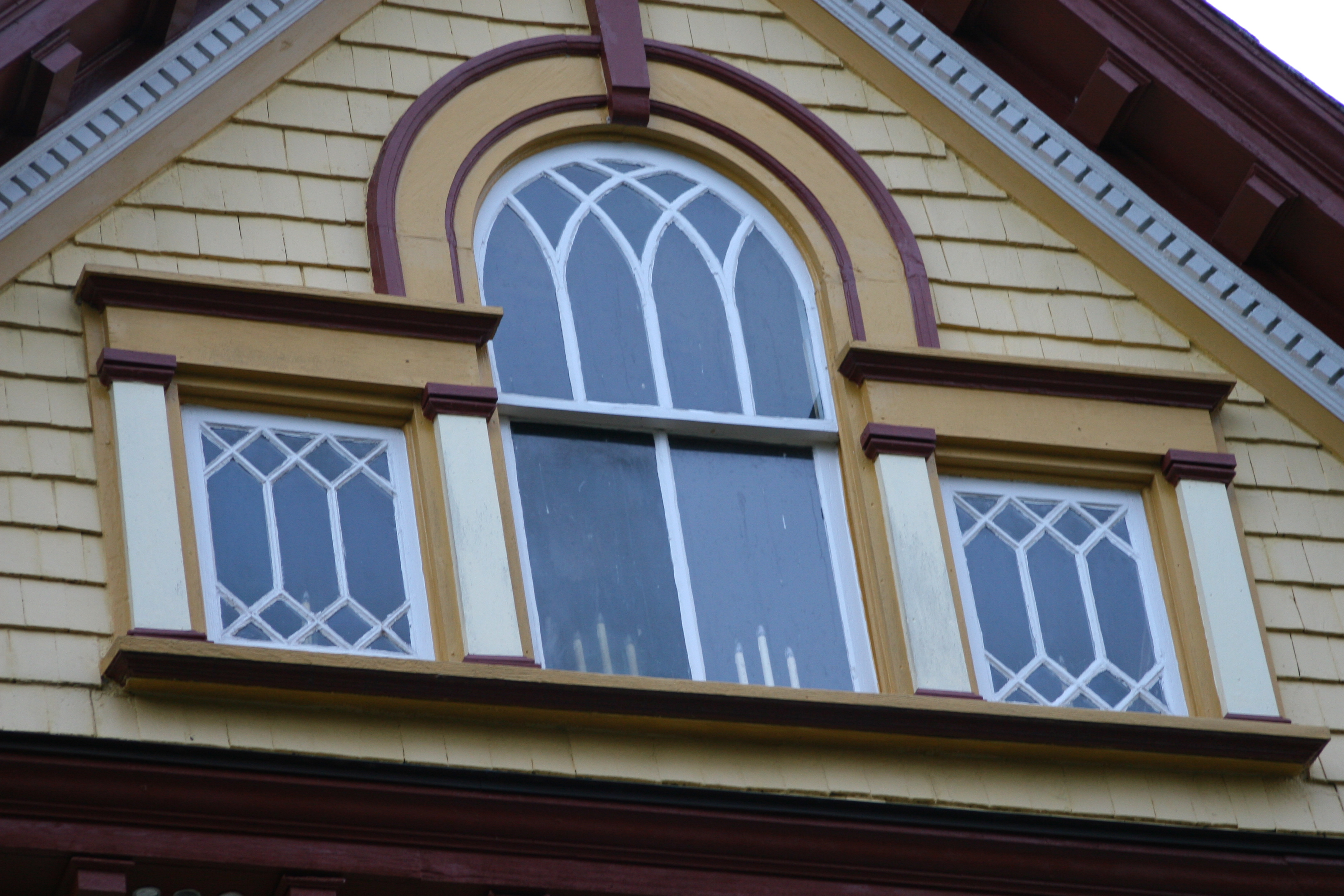
When inspecting an antique property, your standard home inspection checklist needs a serious upgrade. You must look past the superficial cosmetic flaws and train your eyes to spot structural integrity and historical authenticity.
Structural Skeletons and Settling
Old houses move; it’s part of their nature. A slight slope in a floorboard tells a story of a century of settling. However, you must differentiate between natural settling and active structural failure. Pay close attention to stone or brick foundations, looking for bowing, significant mortar degradation, or unaddressed water intrusion.
The Lifespan of Historic Materials
One of the greatest realizations I had during my ten years in Diamond Hill is that old-growth timber and historic materials are vastly superior in longevity to modern alternatives. A original heart-pine floor or a century-old slate roof can last generations if properly maintained. Look for properties where original windows, doors, and trim elements remain intact—reproducing these components today with historically accurate craftsmanship is an incredibly costly endeavor.
Hidden System Integration
Behind those gorgeous plaster walls lies the true puzzle of historic home selection: the mechanical systems. You need to know exactly what you are dealing with regarding:
-
Plumbing: Is there old galvanized pipe or remaining cast iron that needs updating?
-
Electrical: Has the knob-and-tube wiring been entirely decommissioned and replaced with modern, safe wiring?
-
HVAC: How has central air or heating been integrated? Retrofitting modern ductwork into a house built in 1890 without destroying historic plaster ceilings requires exceptional planning.
3. The Rules of Engagement: Preservation vs. Renovation
Preserving a historic home does not mean living in a museum frozen in time. It means utilizing the philosophy of rehabilitation—making a structure completely livable for modern life while respecting its architectural heritage.
In Lynchburg, if you want to alter the external appearance of a home within a local historic district, you must secure a Certificate of Appropriateness (COA) from the Historic Preservation Commission (HPC).
The Golden Rule of Historic Preservation: Always prefer repair over replacement. If a historic element can be stabilized and repaired using matching, traditional materials, it should always take precedence over ripping it out for a modern synthetic replica.
4. Unlocking Financial Incentives: Tax Credits
The financial commitment of preserving an older home can feel daunting, but the federal and state governments offer excellent financial lifelines to offset these costs.
If your historic property is a "contributing structure" to a registered historic district, you may qualify for the Virginia Historic Rehabilitation Tax Credit Program. This program can provide a state income tax credit equal to 25% of your eligible rehabilitation expenses. When combined with federal tax credits for income-producing historic properties, the financial relief can completely change the economics of a restoration project.
Frequently Asked Questions (FAQ)
Can I remodel the inside of my historic home without city approval?
Yes. Lynchburg’s Historic Preservation Commission and the COA process focus strictly on the exterior architectural features visible to the public. You are free to design a completely modern kitchen, upgrade bathrooms, and paint interior rooms to your exact personal taste without needing a COA, provided the structural work complies with standard local building codes.
Are original historic wood windows less energy-efficient than vinyl replacements?
While a bare single-pane window loses heat, a properly restored historic wood window paired with a high-quality, snug-fitting storm window can achieve energy efficiency levels that closely rival modern double-pane vinyl options. Furthermore, historic wood windows can be repaired indefinitely, whereas vinyl windows must be completely thrown away and replaced once their insulated seals inevitably fail in 15 to 20 years.
How do I find out if a house I want to buy is in an official historic district?
Lynchburg provides an interactive online historic district map through the Department of Community Development. You can plug in any local address to instantly check if it falls within a locally regulated historic district or a National Register honorary boundary.

Scott Fogleman
Broker | GRI | CRS | New Home Team | Scott Fogleman | eXp Realty Virginia
or another way